Source Fabric Sofa Sets for Living Room, Hotel, and Bedroom
Compare 30 fabric sofa options from verified manufacturers in China. Buyers can evaluate modern styles, wood frames, and customization features for home, hotel, resort, and restaurant applications with prices ranging from 109.3 to 2478 USD; compare the available evidence and request quotations based on your requirements.
Key considerations
Products List


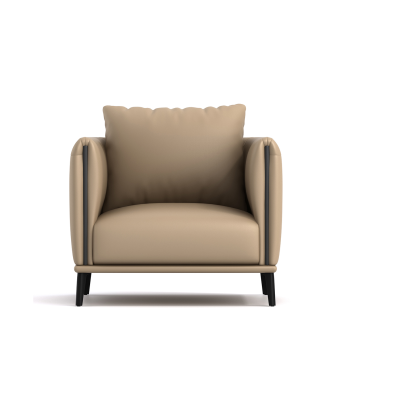


Comprehensive Sourcing Guide
Fabric Sofa Sourcing Guide
Sourcing fabric sofas requires balancing aesthetic flexibility with structural durability, as these pieces serve as central anchors in residential and commercial interiors. Buyers must evaluate how material choices impact long-term wear, particularly in high-traffic environments like hotels or family living rooms. The observed market signals indicate a strong preference for modern styling, with configurations ranging from single seats to complex multi-piece sets that define contemporary living spaces.
Procurement teams should prioritize suppliers who offer customization options, allowing for tailored dimensions and fabric selections that align with specific brand identities or interior design schemes. The availability of OEM services suggests that buyers can integrate unique branding or specific functional requirements into the final product. Understanding these customization capabilities early in the sourcing process helps prevent costly revisions and ensures the final delivery matches the intended spatial and functional needs of the end-user.
Product Scope and Observed Listing Signals
The current market landscape for fabric sofas reveals a diverse range of configurations, primarily focusing on modular setups such as 1+2+3 seat arrangements. These sets are designed to fit various room sizes, from compact apartments to expansive living areas. The observed listings highlight a dominance of modern aesthetics, characterized by clean lines and versatile color options, including popular velvet finishes and standard fabric choices. This variety allows buyers to select pieces that complement existing decor while maintaining a cohesive visual narrative across different zones of a property.
Material composition is a critical differentiator, with wood frames serving as the foundational structure for most observed units. The use of solid wood or engineered wood provides necessary stability, while padding typically consists of high-density sponge, often rated at D40 or D45, to ensure comfort and longevity. Buyers should note that while some listings mention movable covers, others feature fixed upholstery, which impacts maintenance strategies. Understanding these structural and material nuances is essential for making informed purchasing decisions that align with both budget constraints and quality expectations.
Technical Specifications to Verify
When evaluating technical specifications, the seat height and backrest design are primary considerations for user comfort and ergonomic support. The market offers both low back and medium back options, each serving different functional purposes and aesthetic preferences. Low back designs often create a more open, airy feel in a room, while medium back options provide enhanced lumbar support for extended seating periods. Buyers must verify these dimensions against their target demographic’s needs, ensuring that the selected models offer the appropriate level of comfort and visual proportion for the intended space.
Packaging and logistics specifications are equally important for international procurement, as they directly impact shipping costs and product integrity. Standard packing methods typically include EPE foam, cartons, and plastic bags to protect the fabric and frame during transit. Some suppliers offer customized packaging solutions, which may be necessary for specific retail requirements or to minimize environmental impact. Additionally, volume measurements such as CBM (cubic meters) vary significantly based on the configuration, with some sets occupying up to 4.75 CBM. Accurate volume data is crucial for calculating freight costs and optimizing container utilization.
Compliance and Safety Documentation
Safety and environmental compliance are non-negotiable aspects of modern furniture procurement, particularly for products destined for regulated markets. Certifications such as EPA and CARB indicate adherence to strict formaldehyde emission standards, ensuring that the materials used in the sofa do not pose health risks to occupants. These certifications are particularly relevant for indoor air quality management, making them a key verification point for buyers sourcing products for residential complexes, hotels, or healthcare facilities. Verifying these documents ensures that the supplier meets the legal requirements of the destination country.
Fire retardancy standards are another critical area of compliance, with some listings referencing ISO standards for flame resistance. This is especially important for commercial applications where building codes mandate specific fire safety levels. Buyers should request test reports or certification documents that confirm the fabric and foam meet the required fire safety benchmarks. Additionally, OEKO-TEX standards, while noted with lower confidence in some contexts, often indicate that the textiles are free from harmful substances, adding an extra layer of assurance regarding the safety of materials that come into direct contact with users.
Cost Drivers and Commercial Terms
The price range for fabric sofas in the observed market spans from approximately $109 to $2478, reflecting significant variations in material quality, design complexity, and brand positioning. Several factors drive these cost differences, including the type of wood used for the frame, the density of the sponge padding, and the quality of the fabric upholstery. Buyers should analyze these components to understand the value proposition of each quote, ensuring that they are not overpaying for superficial features while neglecting structural integrity or comfort.
Minimum Order Quantities (MOQs) also play a crucial role in commercial terms, with observed ranges starting from as low as one unit up to 110 units. This flexibility allows both small boutique retailers and large-scale hotel chains to procure suitable quantities without excessive inventory risk. However, buyers should negotiate terms carefully, considering the impact of MOQs on cash flow and storage capacity. Additionally, the supplier’s export experience, often cited as a key strength, can influence pricing through economies of scale and established logistics networks, potentially offering better shipping rates and smoother customs clearance processes.
Supplier Qualification and Quality Control
Supplier qualification begins with verifying the business type and operational history, with many manufacturers highlighting over two decades of export experience. This longevity often correlates with refined production processes, reliable supply chains, and a deeper understanding of international market demands. Buyers should request detailed company profiles and audit reports to assess the supplier’s manufacturing capabilities, quality management systems, and financial stability. A robust supplier base is essential for maintaining consistent product quality and meeting delivery schedules, especially for large-scale orders.
Quality control measures must be explicitly defined in the procurement contract, covering everything from raw material inspection to final product testing. Buyers should inquire about the supplier’s internal QC protocols, including checks for frame stability, fabric stitching, and foam resilience. Third-party inspection services can provide an additional layer of assurance, verifying that the delivered goods match the approved samples in terms of color, texture, and dimensions. Establishing clear quality benchmarks and acceptance criteria helps mitigate the risk of receiving substandard products and ensures that the final shipment meets the buyer’s expectations.
Long-Term Procurement Checks
Long-term success in fabric sofa procurement depends on establishing strong post-sale support mechanisms, particularly regarding warranty and maintenance. A five-year warranty is a common offering, indicating the supplier’s confidence in the product’s durability. Buyers should clarify the scope of this warranty, including coverage for structural defects, fabric fading, and foam degradation. Understanding these terms helps in planning for potential repair costs and ensures that the supplier is committed to resolving issues that may arise after the initial delivery.
Sustainability and ethical sourcing are increasingly important factors in long-term procurement strategies. Buyers should assess the supplier’s commitment to environmentally friendly practices, such as the use of sustainable wood sources and eco-friendly fabrics. Additionally, monitoring the supplier’s ability to adapt to changing market trends and consumer preferences is crucial for maintaining a competitive edge. Regular performance reviews and feedback loops can help identify areas for improvement and strengthen the partnership, ensuring a reliable supply chain that evolves with the buyer’s growing needs.
FAQs
What customization options are available for fabric sofas?
Customization is available for these fabric sofas, allowing buyers to select specific styles and colors. The products offer optional colors and fabric choices including PU or standard fabric. This flexibility supports tailored designs for various interior needs while maintaining modern aesthetics.
Which certifications do these fabric sofa manufacturers hold?
The products hold EPA, CARB, and Oeko-Tex Standard certifications. These credentials ensure compliance with safety and environmental regulations. Buyers can verify these standards when sourcing from the Guangdong, China origin to confirm quality and regulatory adherence for their specific market requirements.
How is the fabric sofa frame constructed and padded?
The frame is constructed from wood, providing sturdy support for the seating structure. Padding consists of sponge, with some options featuring high-density D40 or D45 foam. This combination ensures durability and comfort for residential or commercial use in living rooms and bedrooms.
Can I find fabric sofas with specific seat configurations?
Yes, the collection includes various seat configurations such as 1+2+3 sets or single, two, and three-seater options. These arrangements are designed to fit different room sizes. The modern style and fabric material make them suitable for homes, hotels, and resorts.
What is the warranty period for these fabric sofas?
A five-year warranty is provided for these fabric sofas. This coverage protects against manufacturing defects and ensures long-term reliability. The warranty applies to the new condition products originating from Guangdong, China, offering peace of mind for bulk buyers and retailers.
How are the fabric sofas packed for shipping?
Packing options include standard EPE, carton, and plastic bag combinations or woven bags. Customized carton packaging is also available to meet specific logistics needs. This ensures the fabric sofas arrive safely without damage during international transport from the manufacturing location.
What is the minimum order quantity for fabric sofas?
The minimum order quantity ranges from one to one hundred ten units depending on the specific model. Buyers can negotiate based on their volume requirements. This flexibility allows small retailers and large distributors to source fabric sofas efficiently without excessive inventory pressure.